5 DIY Plumbing Tips to Keep Your Home Running Smoothly
Keeping your home’s plumbing in tip-top shape doesn’t have to be a daunting task. With a few simple DIY plumbing tips, you can tackle minor issues before they become costly repairs and maintain smooth-running systems. From unclogging drains to fixing leaky faucets, these easy plumbing fixes can save you time and money. Learning some basic home plumbing maintenance can prevent plumbing issues that might otherwise disrupt your daily life. And remember, if you’re ever in over your head, Manitoba plumbing services like Brown’s Plumbing & Heating are just a call away to lend a hand. 💧🔧
Unclogging Drains Made Easy
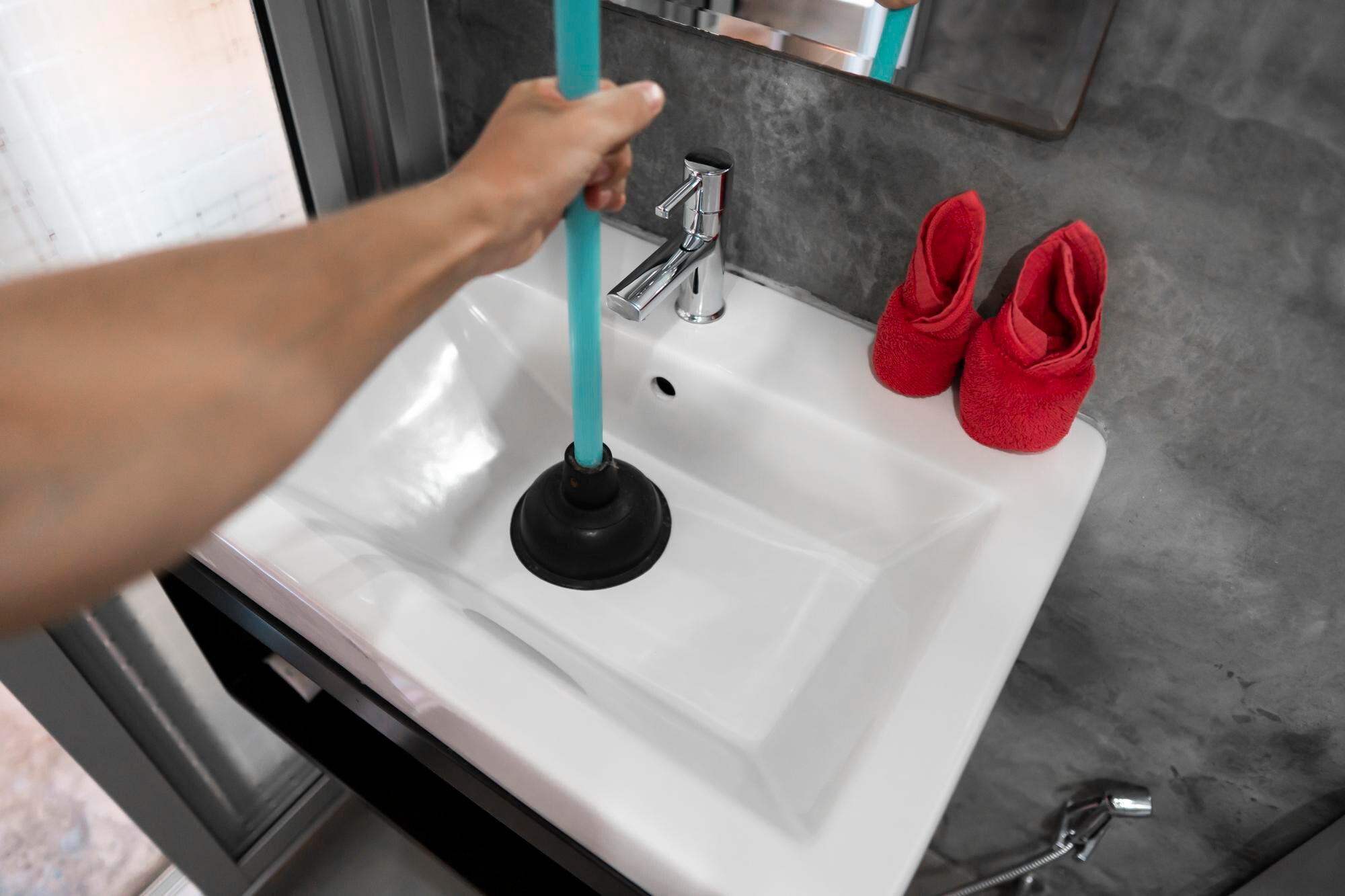
Keeping your drains free-flowing is essential to prevent backups and unpleasant odors. With a few easy steps, you can maintain smooth drain function and avoid bigger plumbing issues. Let’s look at some simple tools and preventive measures.
Simple Tools for the Job
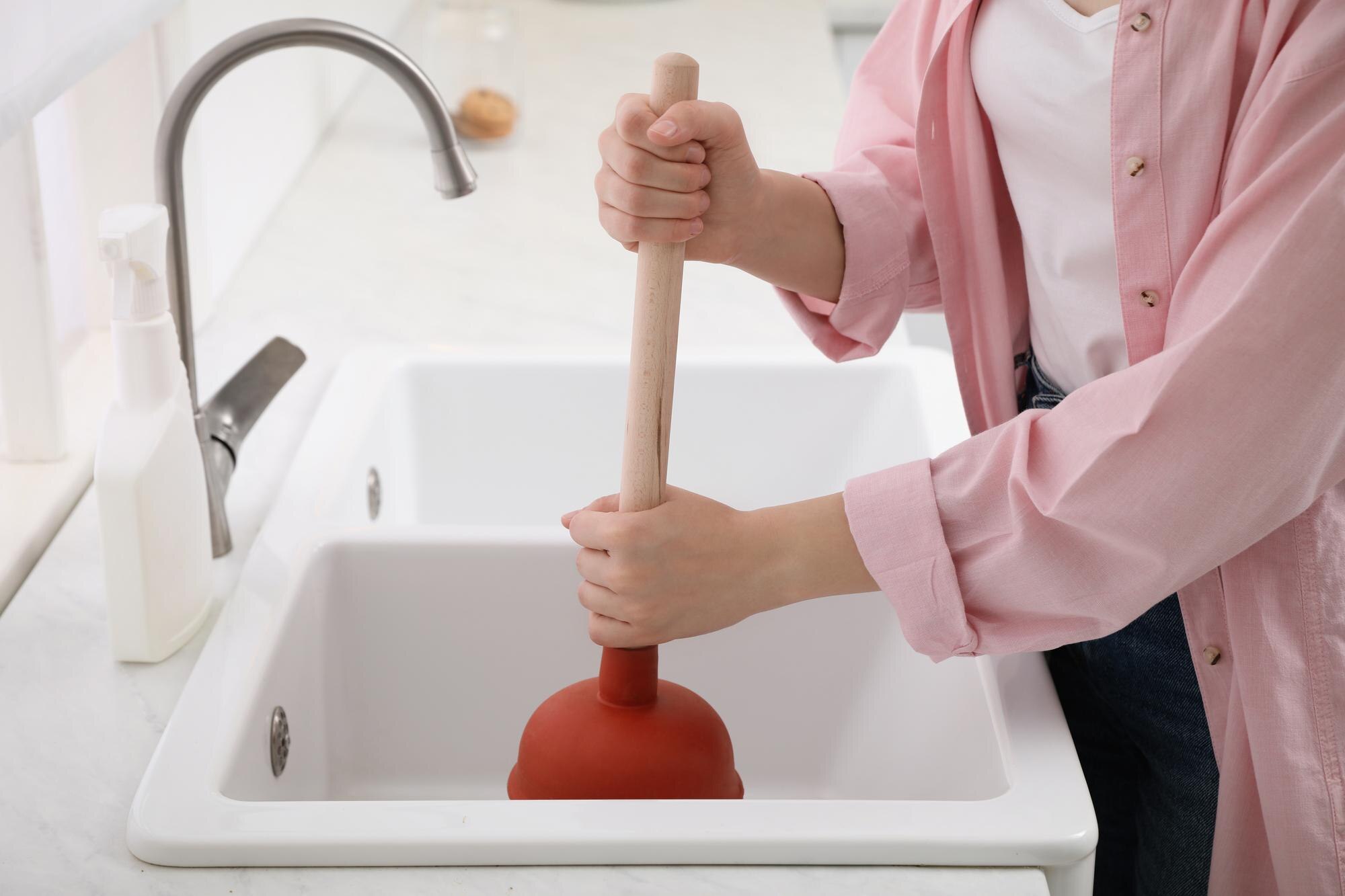
A few basic tools can make unclogging drains a breeze. A plunger is a must-have for every household. It creates a seal around the drain, allowing you to force the clog out. A plumber’s snake is another effective tool, perfect for breaking up stubborn clogs that a plunger can’t tackle.
Baking soda and vinegar are excellent for natural cleaning. Pour a cup of baking soda followed by a cup of vinegar down the drain to break down buildup. Let it fizz for a few minutes, then flush with hot water.
For more tips on tools that can help, check out this DIY plumbing hacks article.
Prevent Clogs with Regular Cleaning
Regular cleaning is key to preventing clogs. Start by running hot water down your drains weekly. This simple act helps dissolve grease and other debris. Avoid pouring grease or food scraps down your kitchen drain, as these are common clog culprits.
Use a mesh drain screen to catch hair and debris in bathroom drains. This small addition can make a big difference. Clean these screens regularly to ensure they function effectively.
For comprehensive cleaning techniques, this resource offers excellent guidance on maintaining clear drains.
Fixing Leaky Faucets
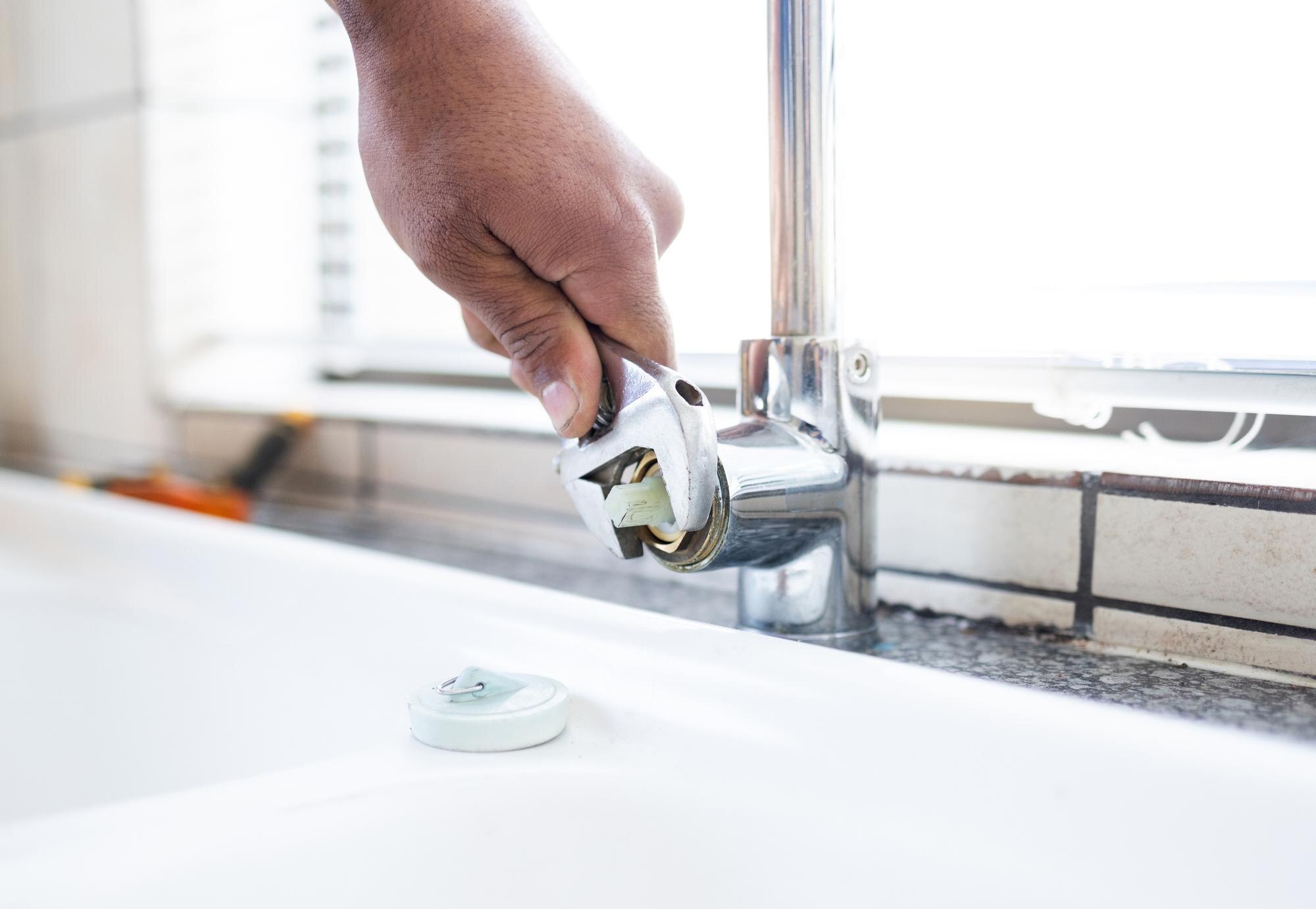
Leaky faucets are more than just annoying; they can waste a significant amount of water. We’ll identify common causes and provide quick steps to resolve leaks efficiently.
Identifying Common Causes
Several factors lead to leaky faucets. Worn-out washers are a frequent culprit. These small rubber or silicone discs wear down with time, causing leaks. Faulty O-rings can also result in drips, especially in cartridge faucets.
Another cause is corroded valve seats. This occurs when water sediments accumulate, leading to leaks at the spout. Identifying these issues early is crucial for prompt repair.
For more on common faucet problems, refer to this guide.
Quick Steps to a Drip-Free Sink
Fixing a leaky faucet is straightforward with the right approach:
Turn off the water supply to prevent further leakage.
Disassemble the faucet handle to access the internal components.
Replace the washer or O-ring as needed.
Reassemble the faucet and check for leaks.
For a step-by-step tutorial, visit this site.
Maintaining Your Toilet’s Health
A well-maintained toilet is crucial for a functional home. Detecting hidden leaks and preventing overflow can save you from unnecessary headaches.
Detecting Hidden Leaks
Hidden leaks waste water and increase bills. Food coloring is a simple tool for detection. Add a few drops to the tank; if color appears in the bowl without flushing, you have a leak.
Check the flapper valve. A worn or damaged flapper can cause continuous water flow. Inspect it regularly for signs of wear.
Simple Tips to Prevent Overflow 🚽
Preventing toilet overflow involves regular checks:
Inspect the fill valve to ensure it’s functioning correctly.
Watch for sluggish flushing, which could indicate a partial blockage.
Avoid flushing non-degradable items to prevent clogs.
For more detailed advice on toilet maintenance, this resource is helpful.