

Mastering Home Comfort: How HVAC Systems Play a Crucial Role
When it comes to keeping your home cozy and welcoming, HVAC systems are the unsung heroes working tirelessly behind the scenes. From snuggling under a warm blanket in winter to enjoying a cool breeze during summer, these systems play a pivotal role in ensuring your home’s comfort. Many homeowners might not realize how regular HVAC maintenance can significantly improve energy efficiency and save money in the long run. With the right energy-efficient HVAC upgrades, you can enjoy a more comfortable living space while being kind to the environment. Ready to make your home more comfortable? Contact Brown’s Plumbing & Heating for a free consultation today and see how we can help! 🌟
The Heart of Home Comfort

HVAC systems are essential for maintaining a comfortable living environment. They control the temperature, humidity, and air quality in your home, making them vital for both health and comfort. Let’s explore their importance and debunk some common myths.
Importance of HVAC Systems
HVAC systems are not just about heating or cooling; they are about maintaining consistent indoor air quality and comfort levels. These systems filter and circulate air, removing pollutants and allergens. According to Eco Home Solutions, a well-maintained HVAC system can significantly improve your home’s air quality, which is crucial for those with allergies or respiratory issues.
A reliable HVAC system can enhance your overall well-being by maintaining optimal humidity levels. Excessive humidity can lead to mold growth, while too little can cause dryness and discomfort. By regulating humidity, HVAC systems help prevent these issues.
For families, the system’s ability to ensure a comfortable temperature year-round is invaluable. True Blue AC emphasizes that when HVAC systems are functioning optimally, they contribute to a healthier and more inviting home environment.
How HVAC Systems Work
Understanding how HVAC systems work can demystify their operation. These systems have three main components: heating, ventilation, and air conditioning. Each plays a critical role in maintaining indoor comfort.
Heating: Typically uses a furnace or heat pump to distribute heat throughout the home.
Ventilation: Ensures that fresh air circulates, removing stale air and pollutants.
Air Conditioning: Removes heat and moisture from the interior, keeping spaces cool and comfortable.
According to Lennox, a thermostat controls these components, allowing you to set your preferred temperature. The system automatically adjusts to maintain these settings, providing consistent comfort.
Common HVAC Myths Debunked
There are several misconceptions about HVAC systems. Let’s debunk a few:
Myth: Turning the thermostat higher or lower will heat or cool the home faster.
Fact: The system works at a constant rate, regardless of settings.
Myth: Closing vents saves energy.
Fact: This can cause imbalances and increase strain on the system.
Myth: Maintenance is unnecessary if the system seems to work fine.
Fact: Regular maintenance prevents minor issues from becoming major repairs.
According to SJVC, understanding these myths can lead to better usage and maintenance of your HVAC system.
Boosting Efficiency with Maintenance

Regular maintenance of your HVAC system can boost its efficiency and longevity. This section will highlight the benefits of consistent upkeep, identify signs that your system needs attention, and offer some DIY tips for basic care.
Benefits of Regular HVAC Maintenance
Regular maintenance is vital for keeping HVAC systems operating efficiently. It includes cleaning filters, inspecting components, and checking for wear and tear.
Extended Lifespan: Routine check-ups can add years to your system’s life by addressing minor issues before they escalate.
Energy Savings: Well-maintained systems run smoothly, reducing energy consumption and lowering utility bills.
Improved Air Quality: Regular cleaning prevents mold and dust buildup, enhancing the air quality in your home.
As per Eco Home Solutions, regular maintenance can help homeowners avoid costly repairs and ensure their system is running at peak performance.
Signs Your System Needs Attention
Recognizing when your HVAC system needs attention can save you time and money. Here are some signs:
Increased Energy Bills: A sudden spike could indicate inefficiency.
Inconsistent Temperatures: If some rooms are hotter or cooler, there might be a problem.
Strange Noises or Odors: Unusual sounds or smells can signal mechanical issues.
Frequent Cycling: If the system turns on and off more than usual, it’s time for a check-up.
True Blue AC suggests addressing these signs promptly to maintain comfort and avoid further damage.
DIY Tips for Basic HVAC Care
While professional maintenance is important, some basic care can be done by homeowners:
Change Filters Regularly: Replacing filters every 1-3 months can improve airflow and efficiency.
Keep the Area Around Units Clean: Ensure that outdoor units are free from debris.
Inspect for Leaks: Look for signs of water around the system, which may indicate drainage issues.
Check Thermostat Settings: Ensure they are set to optimal temperatures for energy savings.
Keep Vents Unobstructed: Ensure that furniture or curtains do not block vents.
For detailed guidance, Lennox offers resources for homeowners to maintain their systems effectively.
Upgrading to Energy-Efficient Solutions
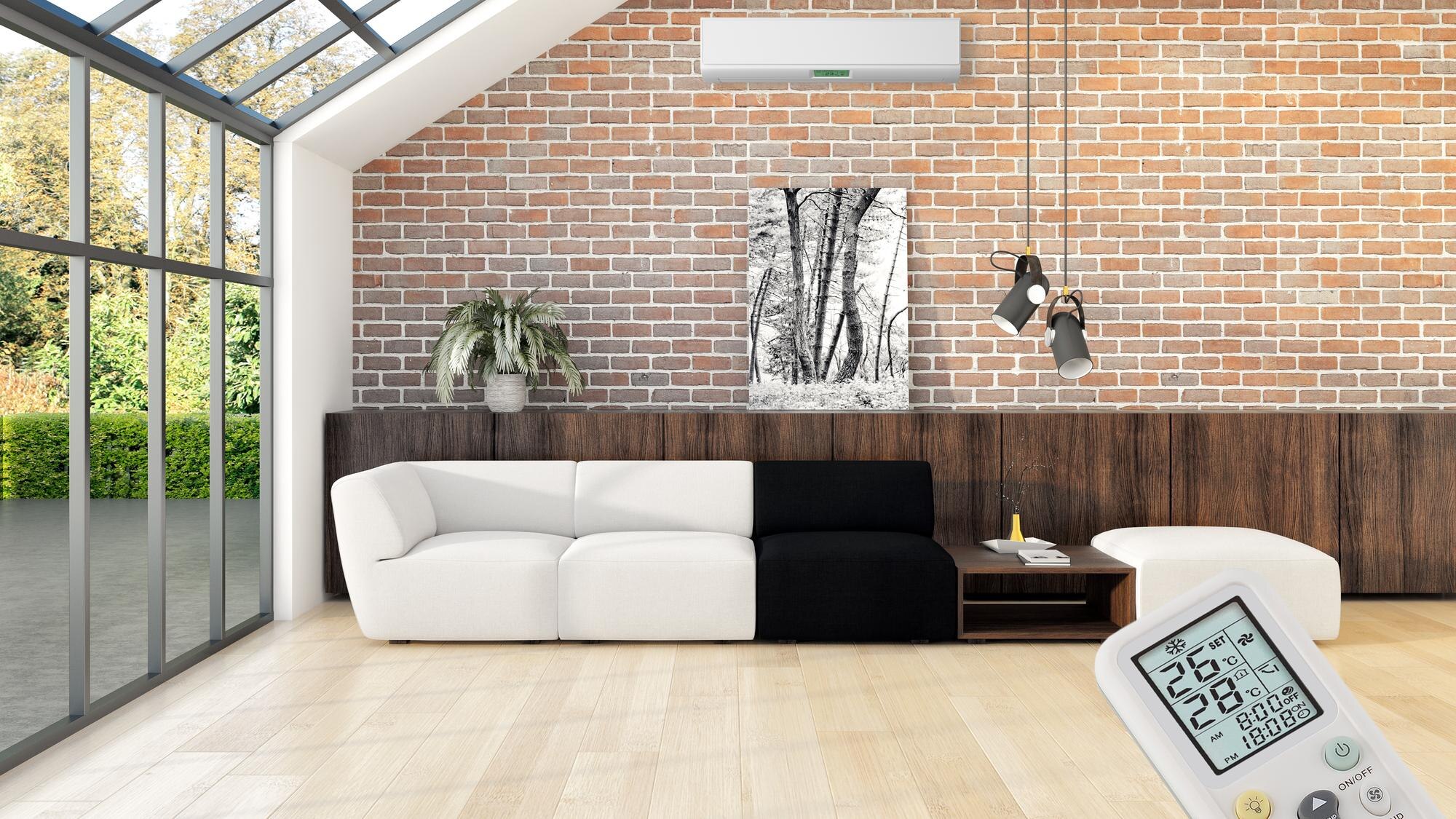
Investing in energy-efficient HVAC systems can lead to substantial long-term savings and environmental benefits. This section explores your options, details potential savings, and helps you choose the right system.
Exploring Energy-Efficient HVAC Options
Energy-efficient HVAC options include:
Heat Pumps: Efficient for both heating and cooling.
High-Efficiency Furnaces: Provide more heat with less energy.
Smart Thermostats: Allow for better control and energy management.
Upgrading to these systems can significantly reduce your carbon footprint. SJVC explains that energy-efficient systems not only enhance comfort but also contribute to a more sustainable environment.
Long-term Savings with Upgrades
Though the initial cost of upgrading may seem high, long-term savings can offset this investment:
Reduced Energy Bills: Efficient systems use less power, resulting in lower utility costs.
Tax Credits and Rebates: Many governments offer incentives for installing energy-efficient systems.
Increased Home Value: Energy-efficient homes are more attractive to buyers, potentially raising property value.
These benefits, highlighted by Eco Home Solutions, can make upgrading a smart financial decision.
Choosing the Right System for Your Home
Selecting the right system depends on various factors:
Home Size: Larger homes need more powerful systems.
Climate: Consider local weather patterns for optimal system choice.
Budget: Balance initial cost with long-term savings.
For tailored advice, True Blue AC recommends consulting with HVAC professionals to assess your specific needs and options.
By making informed decisions, you can enhance home comfort and energy efficiency while enjoying peace of mind. 🌟
