Minimizing HVAC Downtime: Tips for Property Managers
You’ve likely dealt with HVAC downtime more times than you’d like to admit. It disrupts tenant satisfaction and throws a wrench in your property’s smooth operations. But what if you could slash those interruptions and keep everything running like a well-oiled machine? In this blog, we’ll share simple strategies to minimize downtime and boost your property’s HVAC performance. For a worry-free solution, contact Brown’s Plumbing & Heating today and mention this post for a free consultation. Let’s keep your property comfortable and efficient! For more insights, check out this guide on avoiding costliest commercial interruptions.
Essential HVAC Maintenance Tips

Proper maintenance of HVAC systems is crucial for minimizing downtime and ensuring that your property remains comfortable year-round. Regular check-ups and strategic seasonal maintenance can significantly extend the lifespan of your HVAC system and improve its efficiency. Let’s delve into essential tips to keep your systems in top shape.
Regular Check-Ups and Inspections
Regular check-ups and inspections are the backbone of effective HVAC maintenance. Consistent monitoring can prevent minor issues from escalating into major repairs. It’s important to schedule these inspections at least twice a year—preferably before the high-demand seasons of summer and winter.
Visual Inspection: Check for visible signs of wear and tear on components such as belts and electrical connections. Look for leaks and unusual noises, which may indicate underlying issues.
Filter Replacement: Dirty filters are a common cause of HVAC inefficiency. Replace or clean filters every 1-3 months to ensure optimal airflow and system performance.
System Calibration: Verify that thermostats and other controls are calibrated and functioning correctly to maintain desired temperature settings efficiently.
Regular inspections can lead to early detection of problems, saving both time and money in the long run. For more on minimizing HVAC downtime, you can find useful insights here.
Seasonal HVAC Maintenance Strategies
Seasonal maintenance strategies help adapt the HVAC system to changing weather conditions. Each season presents unique challenges that can affect HVAC performance. It’s essential to tailor your maintenance routine accordingly.
In spring and fall, focus on preparing your HVAC system for the upcoming high-demand periods. This includes:
Spring: Clean coils and drain pans, and check refrigerant levels to ensure the system is ready for summer cooling demands.
Fall: Inspect and clean heating elements and heat exchangers, ensuring safe and efficient operation during the winter months.
Adjusting your maintenance routine seasonally aids in reducing strain on your system and can lead to improved energy efficiency. To explore these strategies further, check this guide on building maintenance.
Emergency HVAC Services Preparedness
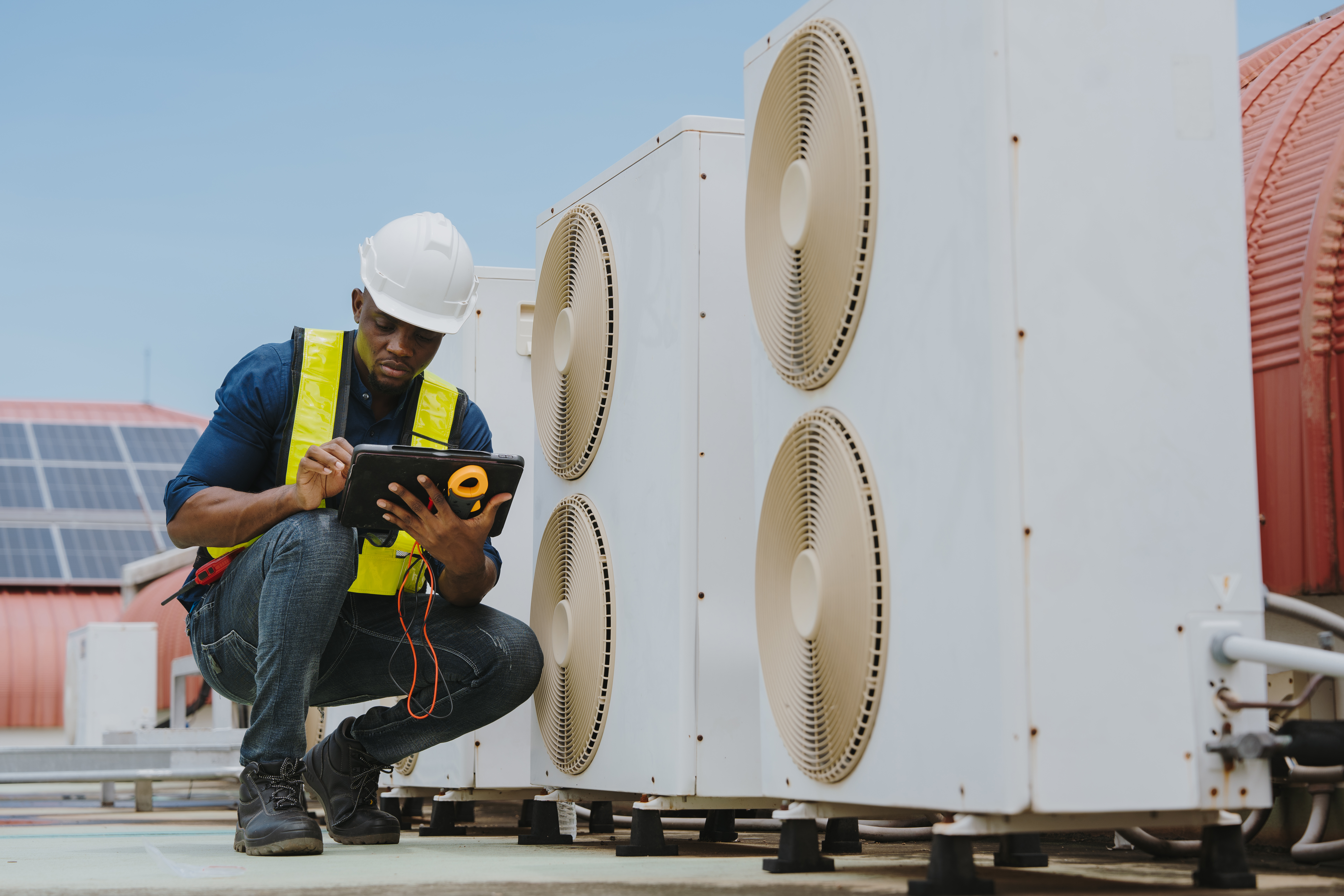
Emergencies can happen at any time, and being prepared is crucial to minimizing HVAC downtime. Establishing a reliable service network and having quick response protocols can make all the difference when the unexpected occurs.
Building a Reliable Service Network
Building a reliable service network involves establishing relationships with trusted HVAC service providers who can offer timely and effective solutions during emergencies.
Research and Vetting: Identify and evaluate local HVAC service companies, focusing on their reputation, response times, and expertise.
Service Agreements: Consider entering into service contracts with these companies to ensure priority response during emergencies, often at discounted rates.
24/7 Availability: Opt for providers that offer round-the-clock services to address issues at any time, ensuring minimal disruption.
A reliable service network provides peace of mind and ensures that your property is always covered in case of HVAC failures. Learn more about minimizing downtime with emergency services here.
Quick Response Protocols
Quick response protocols are essential for effective emergency management. Having a clear plan ensures that issues are addressed promptly, minimizing tenant inconvenience.
Emergency Contacts: Maintain an updated list of emergency contacts, including service providers and key personnel responsible for handling HVAC issues.
Communication Plan: Establish a communication plan to inform tenants and stakeholders about any HVAC issues and expected timelines for resolution.
Regular Drills: Conduct regular emergency drills to ensure that everyone knows their role in the event of an HVAC failure.
Implementing these protocols can significantly reduce downtime and improve tenant satisfaction. For more tips, read about minimizing HVAC system downtime here.
Energy-Efficient HVAC Solutions
Energy-efficient HVAC solutions not only reduce operational costs but also lower your property’s environmental footprint. Upgrading to modern systems and implementing smart technology can provide lasting benefits.
Upgrading to Modern Systems
Upgrading to modern systems offers numerous advantages, from enhanced efficiency to reduced maintenance needs. Newer systems are designed to meet current environmental standards and can significantly lower energy consumption.
Efficiency Ratings: Choose systems with high SEER (Seasonal Energy Efficiency Ratio) or AFUE (Annual Fuel Utilization Efficiency) ratings for optimal performance.
Incentives: Look for government or utility incentives that can offset the cost of upgrading to energy-efficient systems.
Long-term Savings: Though the initial investment may be higher, the long-term savings from reduced energy bills and maintenance costs are considerable.
For a comprehensive guide on minimizing downtime with modern systems, explore this resource on industrial HVAC projects.
Implementing Smart Technology
Implementing smart technology in your HVAC systems can lead to significant improvements in energy efficiency and system management. Smart thermostats and sensors provide real-time data and control, allowing for precise adjustments.
Smart Thermostats: These devices learn your property’s heating and cooling patterns and adjust automatically to save energy.
Remote Monitoring: With smart technology, you can monitor and control your HVAC system remotely, enhancing convenience and control.
Predictive Maintenance: Smart systems can predict when maintenance is needed, reducing the risk of unexpected failures.
Incorporating smart technology into your HVAC systems can lead to smoother operations and fewer disruptions, ensuring tenant satisfaction and lower operating costs.