

Smart and Affordable: Energy Efficiency Upgrades for Your Home
Are you tired of watching your energy bills go through the roof? 🌡️ Let’s chat about some smart and affordable home upgrades that can help you save money and keep your space cozy! Whether you’re a retired homeowner in Manitoba looking to stretch your budget or a busy family wanting to boost home comfort, there are plenty of ways to make your house more energy-efficient without spending a fortune. From programmable thermostats to high-efficiency HVAC systems, these upgrades not only reduce energy bills but also enhance your everyday living experience. Curious about how you can make these changes? Contact Brown’s Plumbing & Heating for a free consultation and mention this post to score a 10% discount on your first service! 🏠✨ For more ideas on energy-efficient home improvements, check out this resource.
Smart Thermostats and More

Upgrading your home’s thermostat is one of the simplest ways to enhance energy efficiency. Smart thermostats can significantly impact your energy bills by allowing more control over your home’s temperature settings. They offer a modern touch to your home and can be surprisingly affordable.
Programmable Thermostat Perks
Programmable thermostats allow you to set a schedule for heating and cooling, ensuring that your home is only using energy when needed. This can lead to significant savings, as you won’t be heating or cooling an empty house. According to Energy Star, using a programmable thermostat efficiently can save about $180 annually.
With smart technology, these thermostats can learn your preferences over time. They adapt to your lifestyle, automatically adjusting the temperature when you’re home or away. This feature ensures that your home is always at a comfortable temperature without any manual effort on your part.
For those who prefer a more interactive experience, some smart thermostats can be controlled via smartphone apps. This means you can adjust your home’s temperature from anywhere, ensuring comfort upon your arrival while saving energy when you’re away.
Energy-Saving Tips for Settings
Setting your thermostat wisely can further enhance savings. Here’s a simple guide:
Lower the temperature when you’re asleep or away. Even a 1-degree reduction can lead to noticeable savings.
Program daily settings according to your routine, like reducing heating during work hours.
Use vacation settings if you’re away for extended periods to avoid unnecessary energy consumption.
Consider the recommended temperature settings shared by Consumer Reports: 68°F during the day and cooler at night. These settings balance comfort and savings effectively.
To get insider tips and community advice on the best settings, check out this Reddit discussion. Users share practical experiences that can guide you in optimizing your thermostat settings for maximum energy efficiency.
Enhancing HVAC Systems
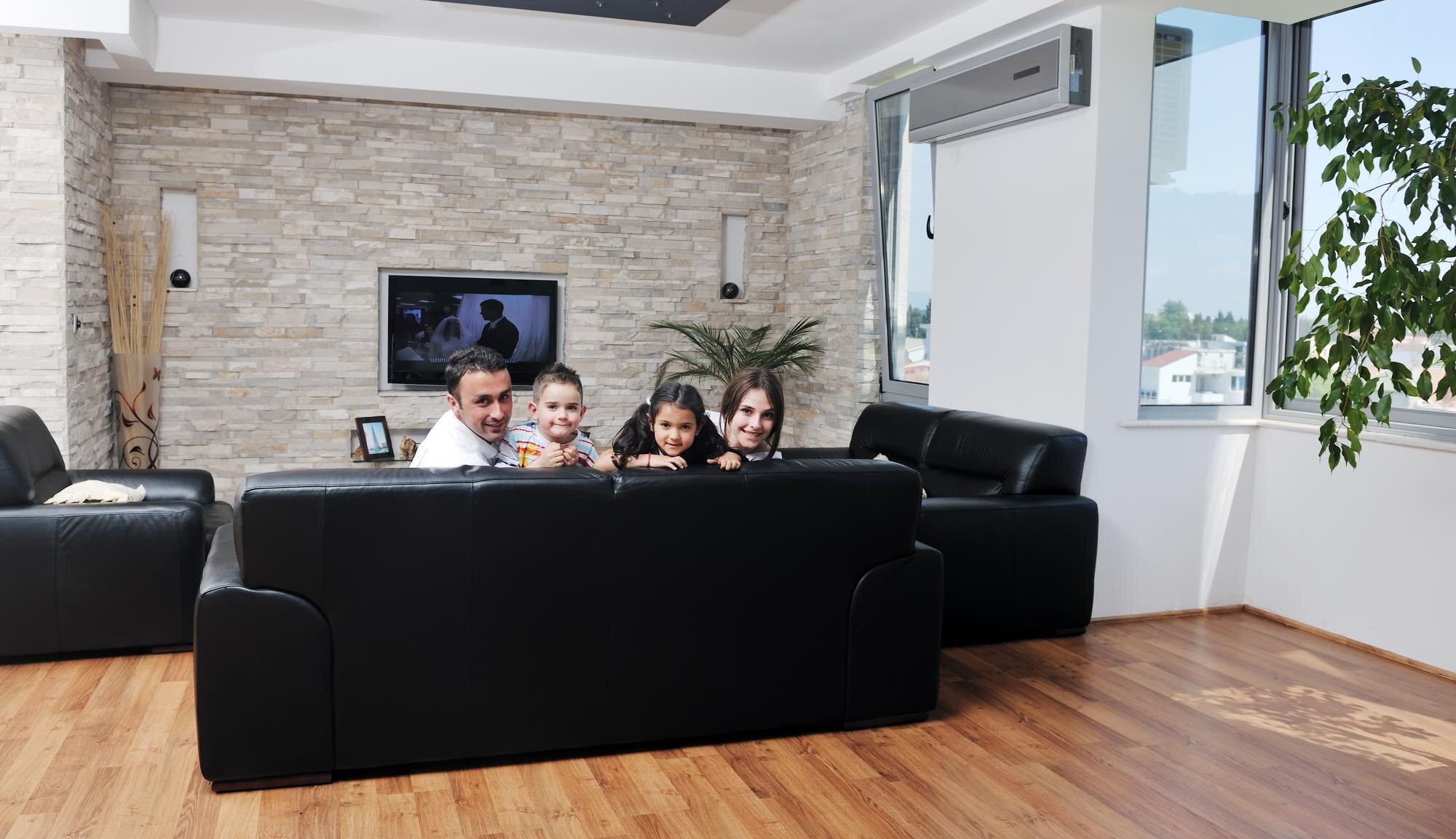
Improving your HVAC system can be a significant step toward reducing energy bills and enhancing home comfort. High-efficiency HVAC systems and regular maintenance are crucial to achieving these goals.
High-Efficiency Options
High-efficiency HVAC systems are designed to use less energy for the same level of heating or cooling. They often have a higher SEER (Seasonal Energy Efficiency Ratio) rating, which indicates better efficiency.
Investing in a high SEER-rated system can be cost-effective in the long run. You save on energy bills while reducing your carbon footprint. According to Shaker Heights, upgrading to a high-efficiency model can significantly lower your yearly energy costs.
For a comparison, consider this table:
System Type | SEER Rating | Potential Savings |
|---|---|---|
Standard HVAC System | 13-15 | Lower |
High-Efficiency System | 16+ | Higher |
Upgrading your HVAC system is a considerable investment, but with the right choice, you can enjoy enhanced comfort and lower energy bills.
Regular Maintenance Importance
Regular maintenance is key to keeping your HVAC system running efficiently. Ensuring your system is in top condition helps prevent unexpected breakdowns and maintains its efficiency.
Here’s a simple maintenance checklist:
Change filters regularly. Dirty filters can restrict airflow, causing the system to work harder.
Schedule yearly inspections. A professional can spot issues before they become costly repairs.
Clean ducts and vents to ensure unobstructed airflow throughout your home.
A well-maintained system not only keeps your home comfortable but also extends the lifespan of the equipment. Ensuring that components are clean and functioning optimally can prevent unnecessary energy use.
Regular check-ups with professionals, like those from Brown’s Plumbing & Heating, are recommended. They can offer tips specific to your system for optimal performance.
Simple Insulation Solutions

Improving your home’s insulation is one of the simplest ways to increase energy efficiency. It helps maintain a consistent indoor temperature, reducing the need for excessive heating or cooling.
Affordable Insulation Types
Several affordable insulation types are available, each with its pros and cons. Here’s a brief overview:
Fiberglass Insulation: Affordable and commonly used, it’s ideal for walls, attics, and floors. It’s non-flammable and provides good thermal resistance.
Cellulose Insulation: Made from recycled paper products, it’s eco-friendly and effective. It’s treated for fire resistance and is great for hard-to-reach areas.
Spray Foam Insulation: Though pricier, it provides excellent coverage and seals gaps effectively. It’s a good choice for basements and crawl spaces.
For those on a budget, Energy Star’s website offers insights into selecting the best type of insulation for your specific needs. It’s worth noting that effective insulation can save up to 15% on heating and cooling costs.
DIY Weatherproofing Tricks
For those who prefer a hands-on approach, DIY weatherproofing can be an effective way to improve energy efficiency. Here are some simple tricks:
Seal windows and doors with weatherstripping to prevent drafts.
Install door sweeps at the bottom of exterior doors to keep out cold air.
Use caulk to fill gaps and cracks around windows and doors.
These simple fixes can make a noticeable difference in your home’s comfort and energy usage.
For a more comprehensive guide, the Shaker Heights resource offers step-by-step instructions on various DIY weatherproofing techniques. Implementing these changes can lead to immediate improvements in energy efficiency and overall home comfort.
