

Tips for Handling High Energy Bills
Feeling the pinch of high energy bills can be tough, especially when you’re trying to keep your home comfortable without breaking the bank. With the right strategies, you can manage those costs and even improve your home’s energy efficiency. From simple tips like sealing drafts to more substantial solutions like upgrading your HVAC system, there are plenty of ways to save. That’s where Brown’s Plumbing & Heating comes in, offering expert advice and services to help you tackle energy expenses head-on. So, let’s explore some practical steps you can take today to lighten your bills and make your home more energy-efficient! 💡
Cut Down on Drafts
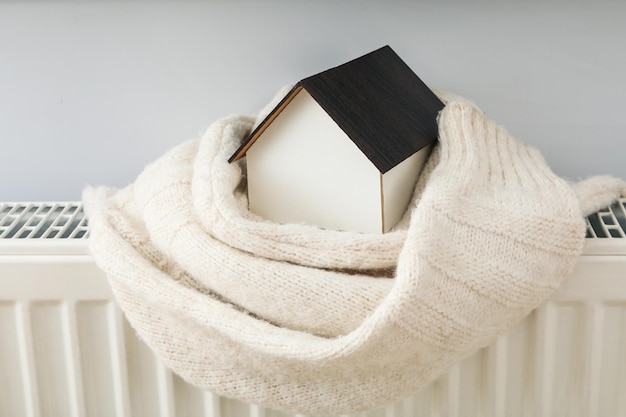
Reducing drafts in your home can significantly cut down on energy bills. Drafts can account for a significant portion of energy loss, making it essential to address them efficiently. By focusing on areas like windows and doors, you can improve your home’s insulation and keep your space cozy.
Seal Windows and Doors
Sealing windows and doors is one of the most effective ways to reduce drafts. Air leaks around these areas often lead to increased energy consumption, as your heating or cooling system has to work harder to maintain a consistent temperature.
Inspect all windows and doors for gaps or cracks. You can use a candle or incense stick to detect drafts. If the flame flickers or smoke moves, it’s a sign of a draft.
Apply caulk or sealant around the edges of windows and door frames. This can effectively block those pesky air leaks.
Consider window film for added insulation, especially during the colder months. This can help keep the warm air in and the cold air out.
Example: One homeowner reported saving 15% on their energy bill after sealing their windows and doors. The process took just a weekend and resulted in noticeable comfort improvements.
Add Weather Stripping
Adding weather stripping around your home’s openings is another excellent way to tackle drafts. Weather stripping is a simple and cost-effective solution that provides a tighter seal around doors and windows.
Choose the right material: There are various types of weather stripping materials available, including foam tape, felt, and V-strip. Each serves different needs, so select based on the gap size and location.
Clean the surface before applying weather stripping to ensure proper adhesion. Dirt and grime can prevent a good seal.
Measure and cut the weather stripping to fit snugly around windows and door frames. Incorrect sizing can lead to ineffective sealing.
Real-world example: After installing weather stripping, a family noticed a noticeable reduction in drafts, leading to a more comfortable living environment and a 10% reduction in their monthly energy bill.
Optimize Your HVAC System
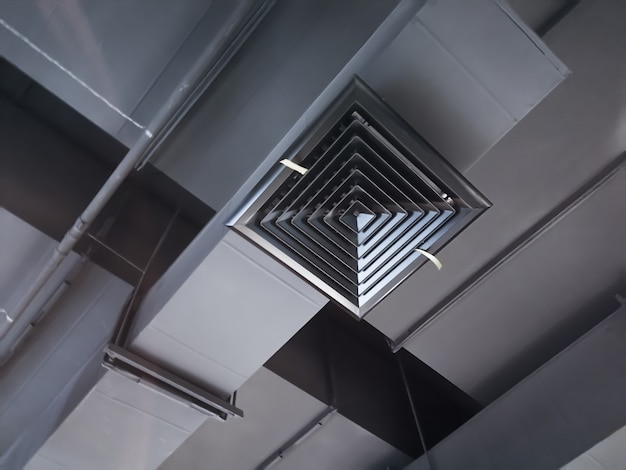
To truly maximize home energy efficiency, it’s vital to optimize your HVAC system. Regular checks and upgrades can lead to significant savings on energy bills, ensuring your heating and cooling systems operate at peak performance.
Regular Maintenance Checks
Regular maintenance checks on your HVAC system can prevent costly repairs and improve efficiency. A well-maintained system doesn’t just save money; it also extends the life of your equipment.
Schedule an annual inspection by a professional to identify and fix potential issues early. This can include checking for leaks and ensuring components are clean and functioning correctly.
Replace filters regularly—typically every 1-3 months. Clogged or dirty filters reduce efficiency and force your system to work harder.
Clean your outdoor unit to ensure airflow is not obstructed by debris or vegetation.
Case study: After conducting regular maintenance, one household saw a 20% decrease in energy consumption over a year. This simple routine also prevented unexpected breakdowns.
Upgrade to Energy-Efficient Models
Upgrading to energy-efficient HVAC models can significantly cut energy costs. While the initial investment might be higher, the long-term savings are substantial.
Traditional HVAC | Energy-Efficient HVAC |
|---|---|
Higher energy use | Lower energy use |
Less eco-friendly | More eco-friendly |
Shorter lifespan | Longer lifespan |
Research models with high Seasonal Energy Efficiency Ratio (SEER) ratings. Higher ratings mean better efficiency and more savings.
Consider models with smart features, like programmable thermostats, to maximize savings.
Look for incentives and rebates from local energy providers, which can help offset the cost of new systems.
Tip: Many homeowners have noted up to a 30% reduction in their energy bills after upgrading to energy-efficient HVAC systems.
Smart Energy Habits

Implementing smart energy habits is crucial for reducing energy bills. Simple behavioral changes can lead to significant savings without compromising comfort.
Adjust Thermostat Settings
Adjusting your thermostat settings can make a big difference. Using a programmable thermostat allows for more precise control over your home’s temperature, reducing unnecessary heating or cooling.
Set your thermostat lower in the winter and higher in the summer when you’re asleep or away.
Utilize the auto setting to maintain consistent temperatures without overworking the system.
Take advantage of programmable schedules to automatically adjust temperatures based on your daily routine.
Data insight: According to CNET, homeowners can save up to 10% annually by adjusting thermostat settings by 7-10°F for 8 hours a day from their normal setting.
Use Energy-Efficient Appliances
Switching to energy-efficient appliances can further reduce energy consumption. These appliances use less electricity while providing the same level of performance as standard models.
Identify appliances with the ENERGY STAR label, which certifies higher energy efficiency.
Replace old appliances that have become energy hogs with newer, more efficient models.
Unplug devices when not in use to prevent phantom energy loss.
Example: A household that upgraded to energy-efficient appliances reported a 15% reduction in their overall energy usage.
For more ideas, you can check out Reddit and Fidelity for community-driven tips and financial insights.
By following these practical tips and considering professional services from Brown’s Plumbing & Heating, you can effectively manage your energy bills and improve your home’s energy efficiency. For more expert advice, visit Energy Saver. 💡
