

Winter-Ready: The Ultimate Guide to Prepping Your Heating System
Most homeowners wait until the cold hits before thinking about heating system preparation—and that’s when problems show up. But a little winter furnace maintenance now can save you from costly breakdowns and chilly nights. In this guide, you’ll get clear, practical home winterization tips to keep your furnace running strong all season. Ready to make sure your home stays cozy? Let’s get started. For more tips, check out this link: [https://medium.com/@meghanbelnap/warm-and-cozy-all-winter-long-the-ultimate-guide-to-keeping-your-home-heated-88034d9881a2].
Essential Heating System Checks
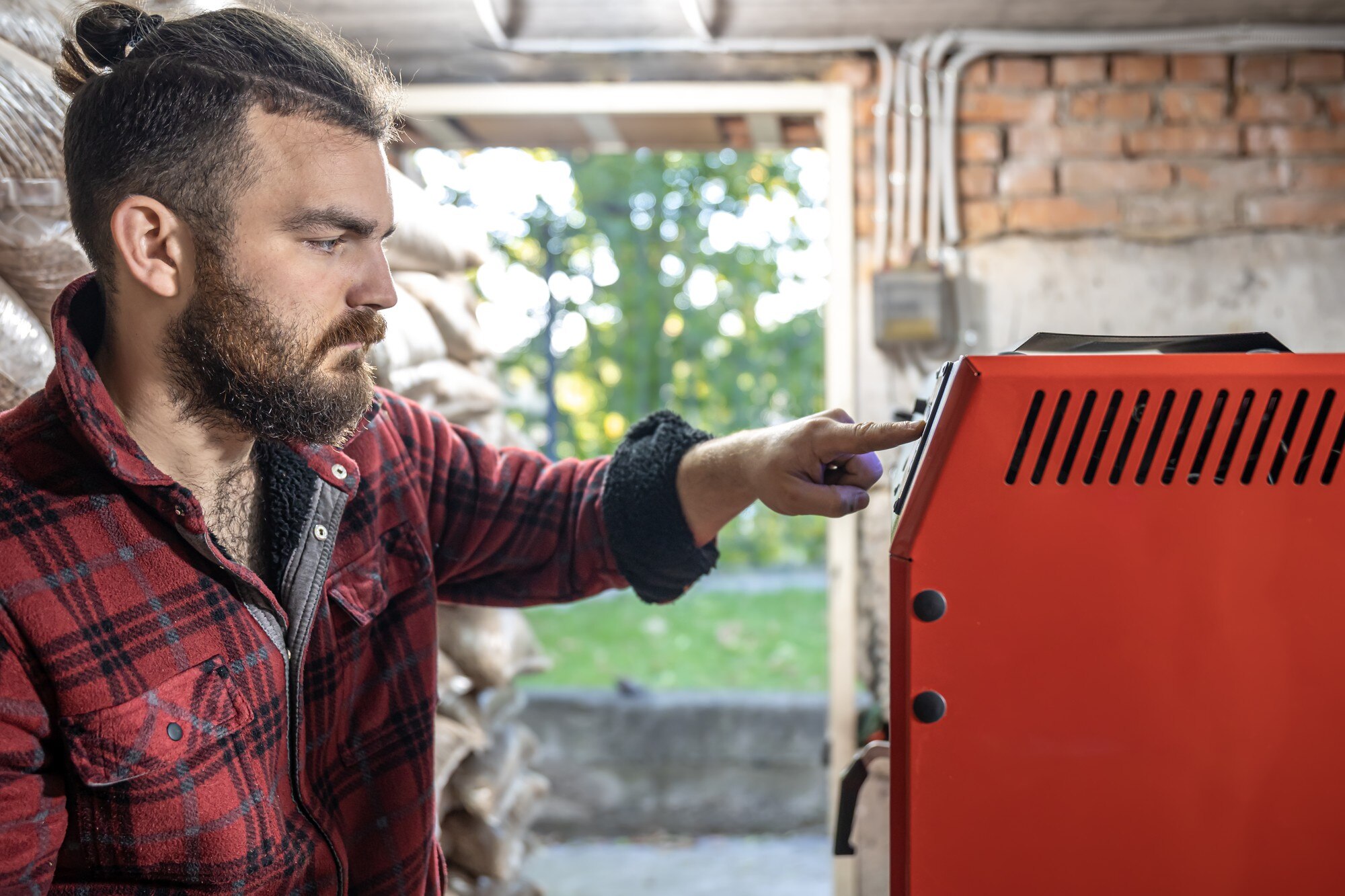
Taking a few moments to inspect your heating system can save you headaches later. Let’s dive into what you need to check first.
Inspect and Clean Your Furnace
The heart of your home’s heating is its furnace. Start by turning off the power to your furnace. This ensures safety while you inspect. Look for any signs of soot, dust buildup, or rust. These can indicate bigger issues. Regular cleaning can prevent these problems from becoming costly repairs. Use a soft brush or vacuum to gently clean the blower and its components.
If you spot any worn belts or loose connections, it might be time to call a professional. Most people overlook these tiny issues, but they can lead to major problems if ignored. Remember, a clean furnace is a happy furnace.
Test Your Thermostat
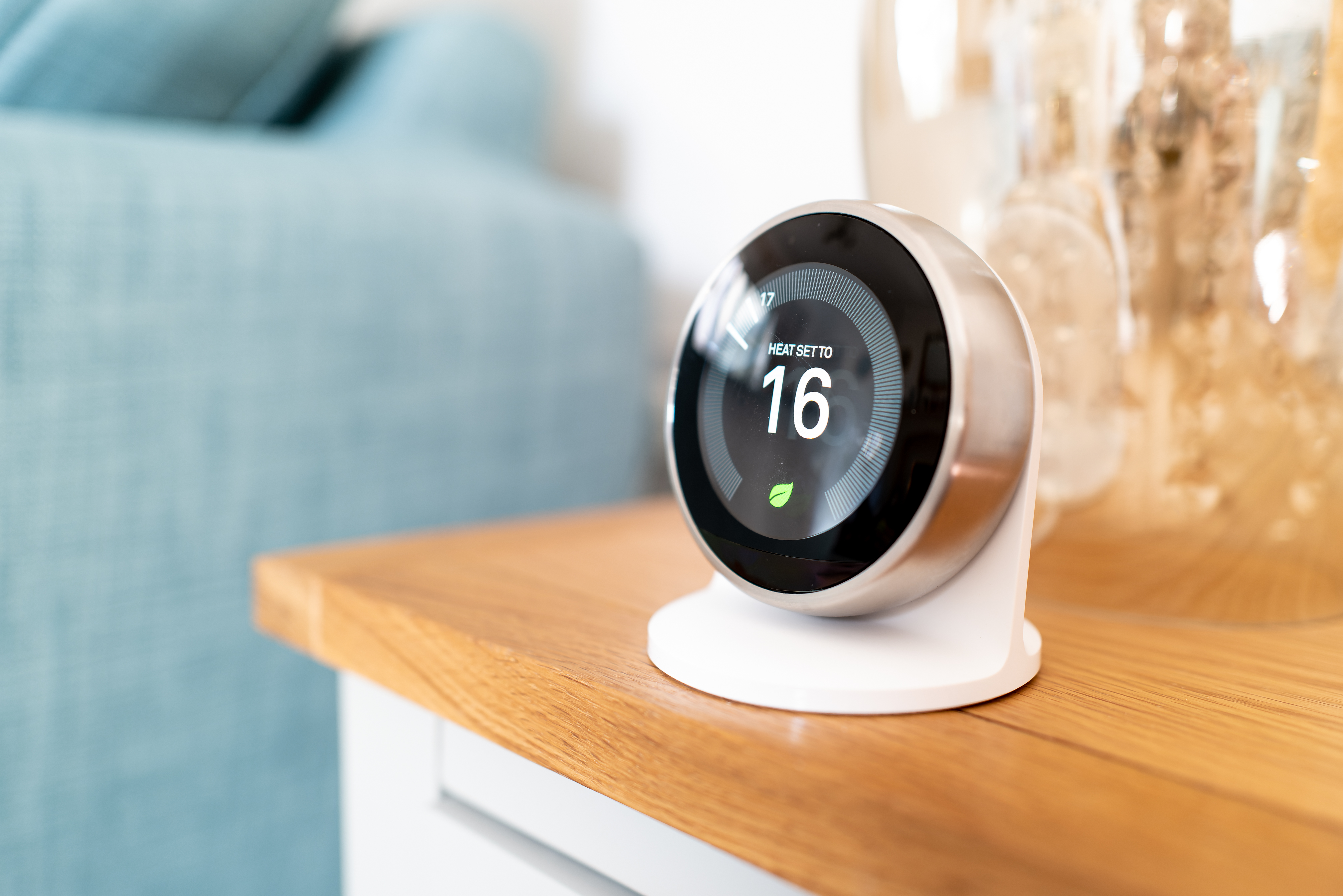
Your thermostat is the command center for your heating system. First, set it to heat mode and increase the temperature. Listen for that familiar click. If it doesn’t respond, it may need new batteries or a replacement. A malfunctioning thermostat can lead to uneven heating or no heat at all.
Consider upgrading to a programmable thermostat. They offer better control over your heating schedule and can save on energy costs. Imagine waking up to a perfectly warm home every morning without lifting a finger.
Check and Replace Filters
Filters are easy to neglect, but dirty ones make your furnace work harder. This not only wastes energy but can shorten your system’s lifespan. Check your filter monthly. If it looks dirty, replace it immediately. A clean filter can improve air quality and efficiency.
Most homeowners think once a year is enough, but experts recommend every three months, or even monthly during heavy use. Clean filters are like fresh air for your system.
Boosting Energy Efficiency
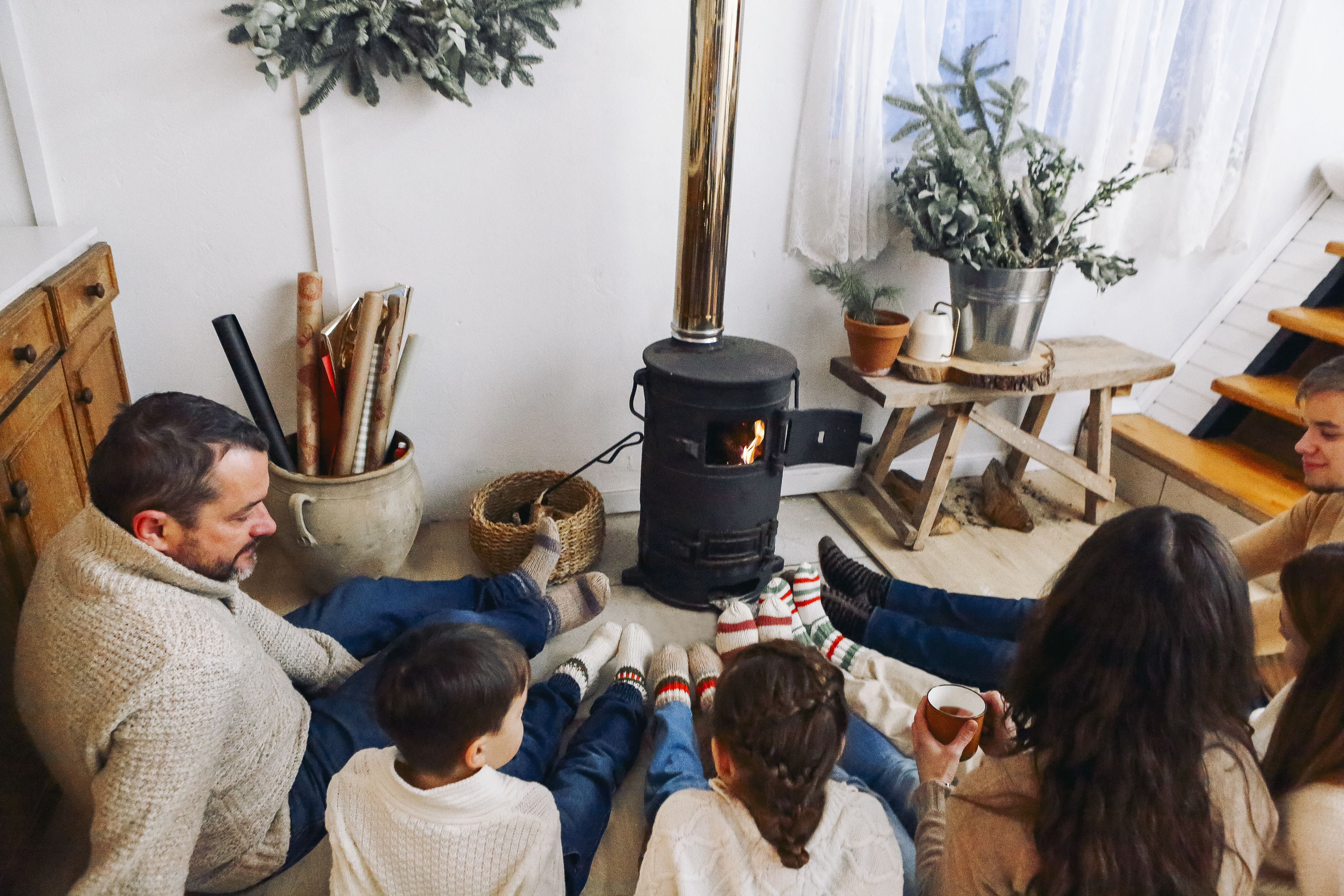
Now that your heating system is ready, let’s focus on making your home more energy-efficient. Small changes can lead to big savings.
Seal Air Leaks
Air leaks are silent energy thieves. Check windows, doors, and any openings. Use weatherstripping or caulk to seal gaps. This keeps warm air in and cold air out, reducing your heating need. A home without drafts is a cozy home.
You might be surprised to learn that up to 30% of your heat can escape through these leaks. That’s like throwing money out the window!
Upgrade Your Insulation
Insulation is your home’s winter coat. If your home feels colder than it should, it might be time for an upgrade. Focus on attics, walls, and basements. These areas lose the most heat.
Good insulation can reduce your heating costs by up to 20%. Think of it as an investment in comfort and savings. Don’t forget to check its R-value, which measures insulation’s effectiveness. The higher, the better!
Consider Energy-Efficient Heating Options
If your heating system is old, it might be time to consider upgrading. Newer systems are more energy-efficient and can save you money over time. Look for systems with the ENERGY STAR label.
Switching to a high-efficiency furnace can save up to 30% on your heating bill. It’s a smart move for your wallet and the environment. Explore options and find what suits your home best.
Schedule Professional Maintenance
While DIY checks are great, a professional tune-up can catch things you might miss. Let’s see why it’s so crucial.
Importance of a Professional Tune-up
A professional tune-up ensures your system runs efficiently. Technicians check for carbon monoxide leaks, which can be dangerous. They also inspect electrical connections and lubricate moving parts.
Most people think they can skip this step, but professional eyes see what we don’t. It’s like having a mechanic check your car before a long trip.
What to Expect During a Furnace Check
During a furnace check, technicians will perform a thorough inspection. They’ll clean ignitors, burners, and heat exchangers. This optimizes performance and prevents future issues.
A typical tune-up can take about an hour but provides peace of mind all season long. Knowing your system is running smoothly means fewer surprises when the temperature drops.
Book Your Manitoba Heating Solutions Appointment Today!
The longer you wait, the more you risk. Booking a professional service now can prevent unexpected breakdowns. Imagine a winter without worrying about your heating. That’s the peace of mind you get with Manitoba Heating Solutions.
Taking these steps ensures a cozy, worry-free winter. Keep your home warm and your loved ones comfortable with these simple heating tips. For more maintenance tips, visit this guide.